By Gilbert Lee, CMO and co-founder
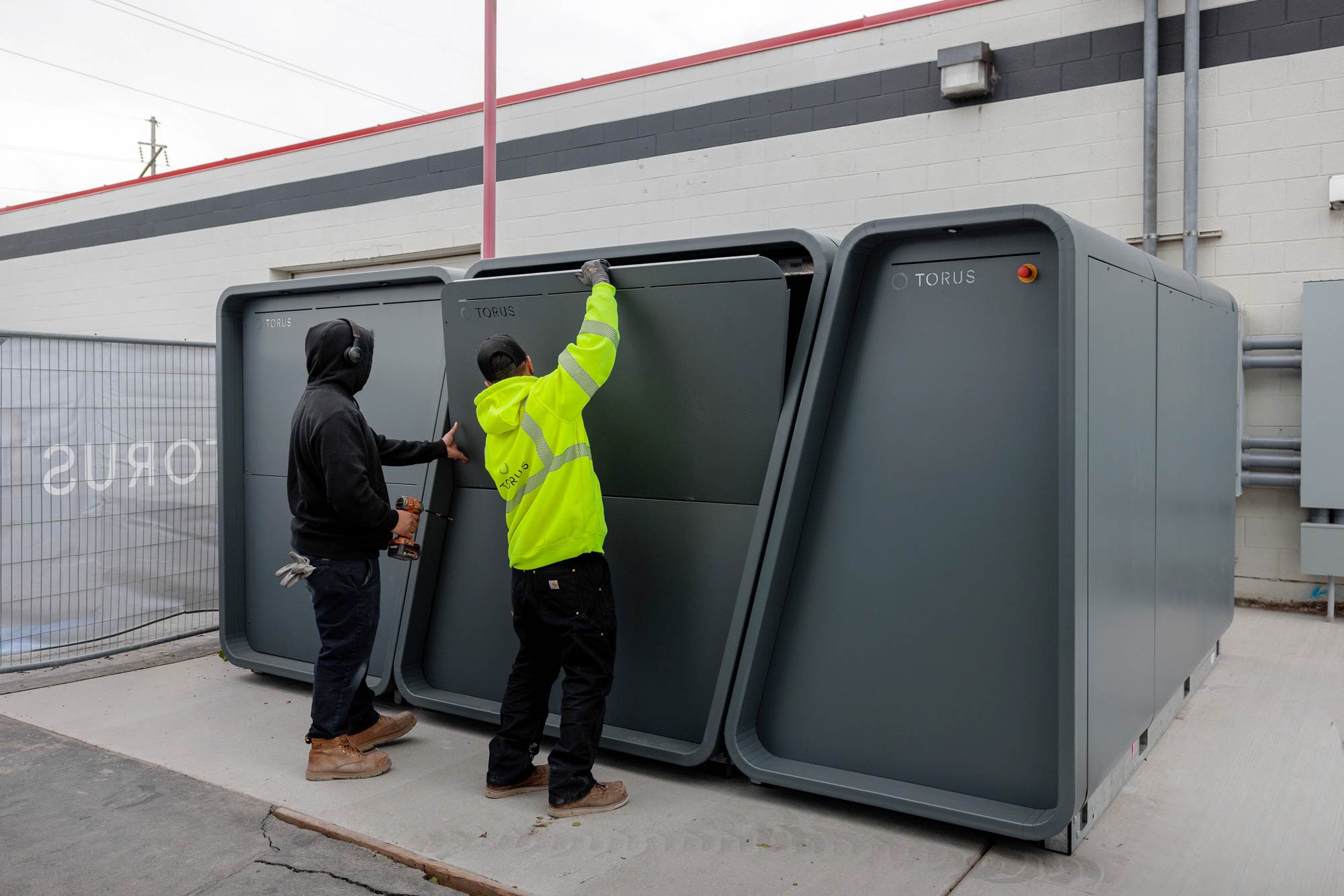
Torus builds in the U.S. because we want the impact of our work to stay close to home. Building here creates jobs where our products are deployed, work in the hands of regional suppliers, and better power quality in the communities we serve across the country.
It starts with the people in our company who build every Torus system, and extends to the communities each system goes on to power. This has been true since we first opened our doors in Springville, Utah. As we've grown, building domestically has set the standard for how we work and how we show up for our customers and our community.
Investing in our community first
Our mission is to unite communities through resilient, sustainable, and intelligent power. That runs in both directions. For the communities we serve, it looks like improved grid resilience, more predictable energy prices, and the power to grow and invest in new technology. For the individuals and businesses in these communities, it means new jobs in advanced manufacturing and investment in the local suppliers and manufacturers around them.
Here’s what it looks like in practice.
-
Salt Lake Valley Emergency Communications Center (SLVECC) dispatches 19 police and fire agencies across the valley, 24/7 and fields thousands of emergency calls. Voltage sags and demand spikes were straining the equipment dispatchers count on and driving up costs. Torus Station now corrects those power issues before they can interrupt a call, keeping the line between residents and first responders open. As more agencies join the regional network, Torus scales with them so SLVECC can stay online and responsive.
-
Wasatch Community Gardens (WCG) is a nonprofit that shares a foundational goal with Torus: giving people independence over their essential resources. WCG helps Salt Lake City residents grow and eat healthy, organic, local food through its farms and education programs. As buildable land in the city grows harder to come by, WCG's farm has moved further from the city center to keep growing. It now runs 100% off-grid on solar paired with Torus Station. Since partnering with us, the farm has run with far fewer disruptions, keeping food production steady for the families and neighbors WCG serves.
-
La Diana, a small neighborhood grocery store in Salt Lake City, was Torus’ very first commercial install. They were struggling with power quality issues, and one outage could cost them a freezer full of inventory. Now, our system backs up their power in milliseconds, keeping the lights on and the food cold before anything flickers. Torus Station also stores solar energy on-site and shares power back to the neighborhood during high-demand periods, easing strain on the grid for the homes and businesses surrounding La Diana. With zero power disruptions, La Diana has stayed open for its neighbors when they've needed it most.
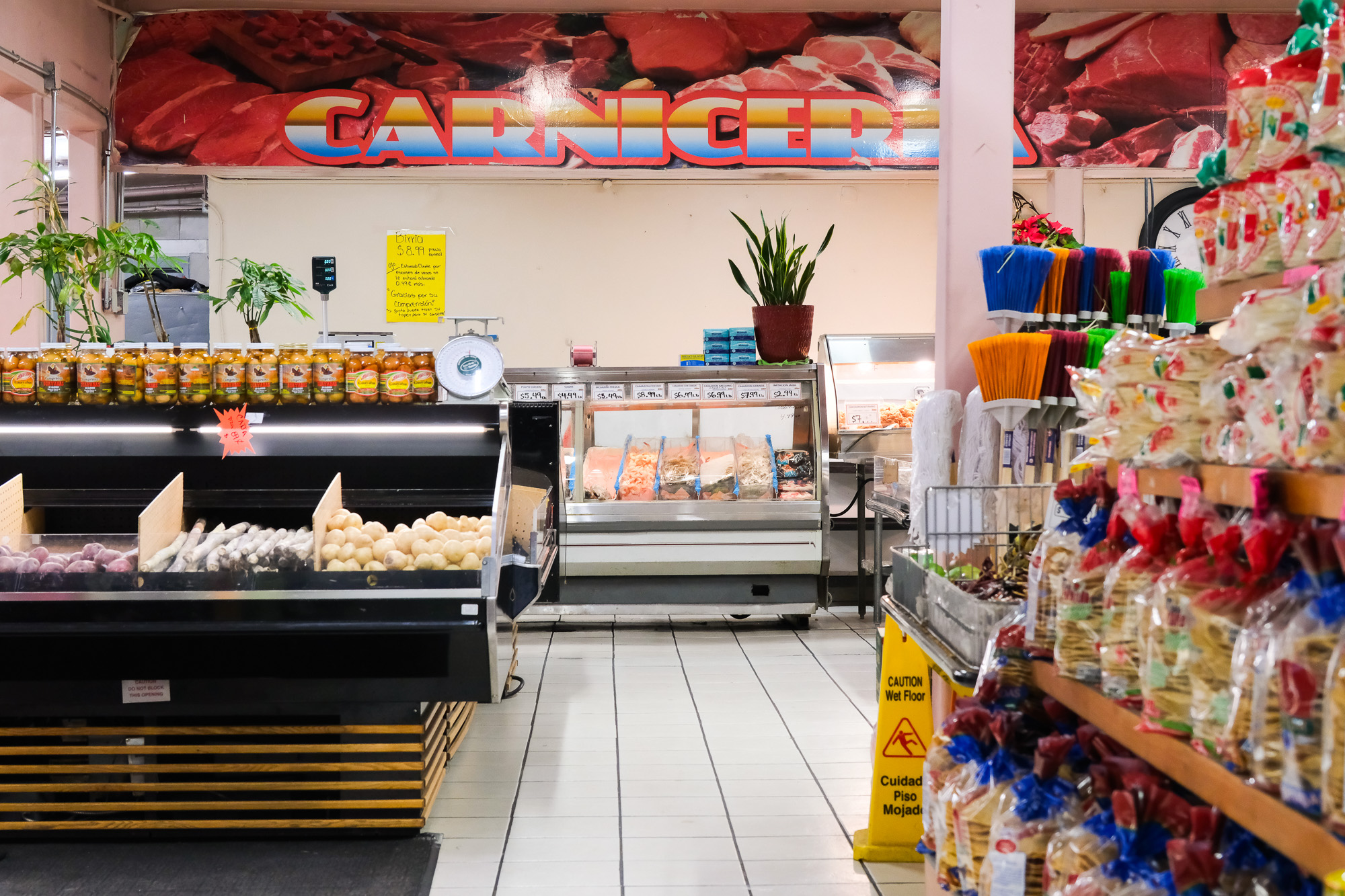
La Diana Market
Our community work doesn’t stop at our installs. CEO and founder Nate Walkingshaw was recently appointed to Utah's Economic Opportunity Board, a nine-member group named by Governor Cox to help guide how the state fosters economic growth and development. He joins leaders from rural communities, higher education, and Utah's startup ecosystem, working toward the same kind of opportunity Torus is building at home.
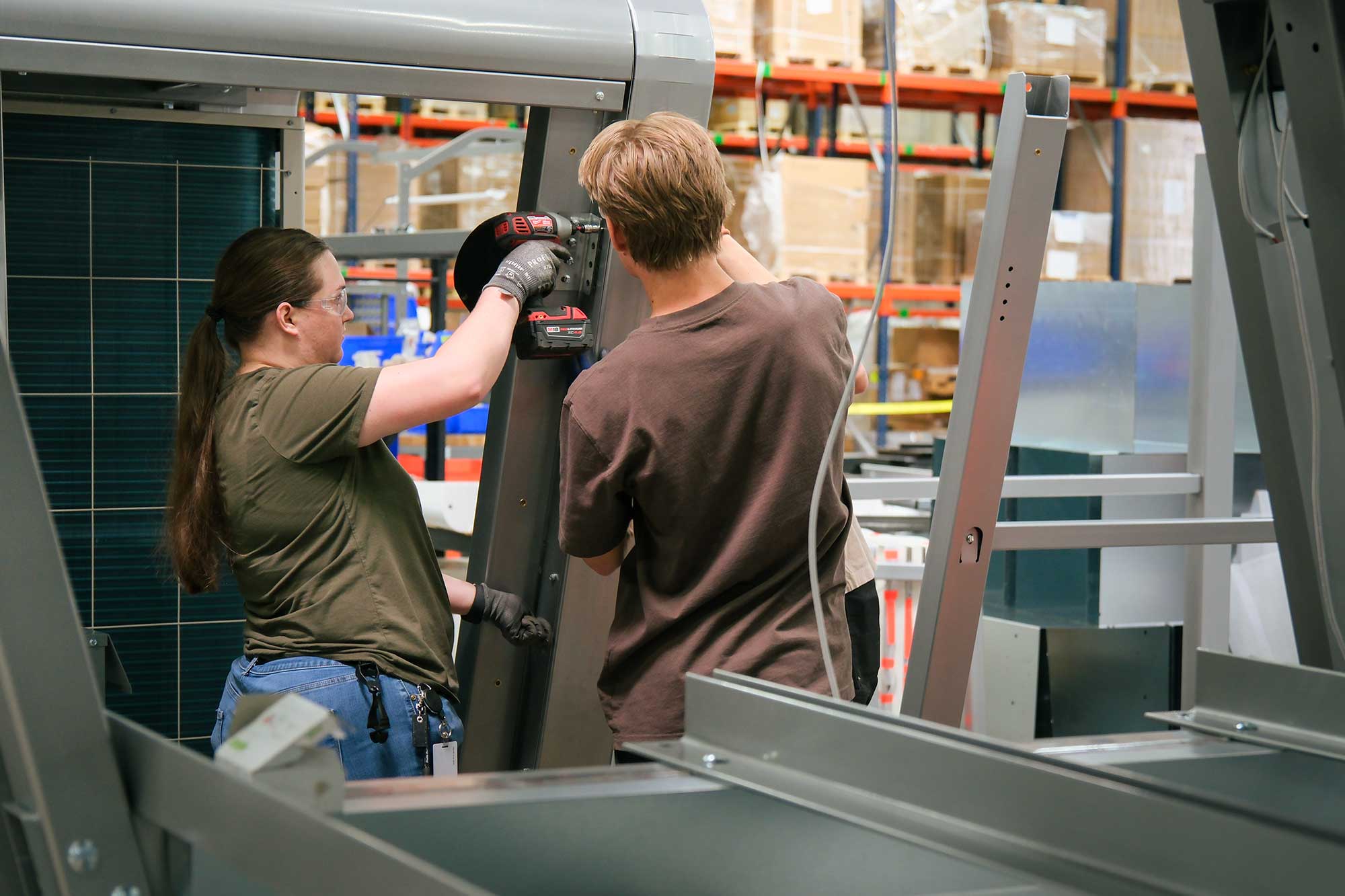
He’s already started this work on our team. Torus partnered with Salt Lake Community College on a hands-on training program built around our products and processes. New team members spend their first days working on Torus Stations, so they've built the product before they ever clock in, and tuition is free through Utah Works, the state's workforce program.
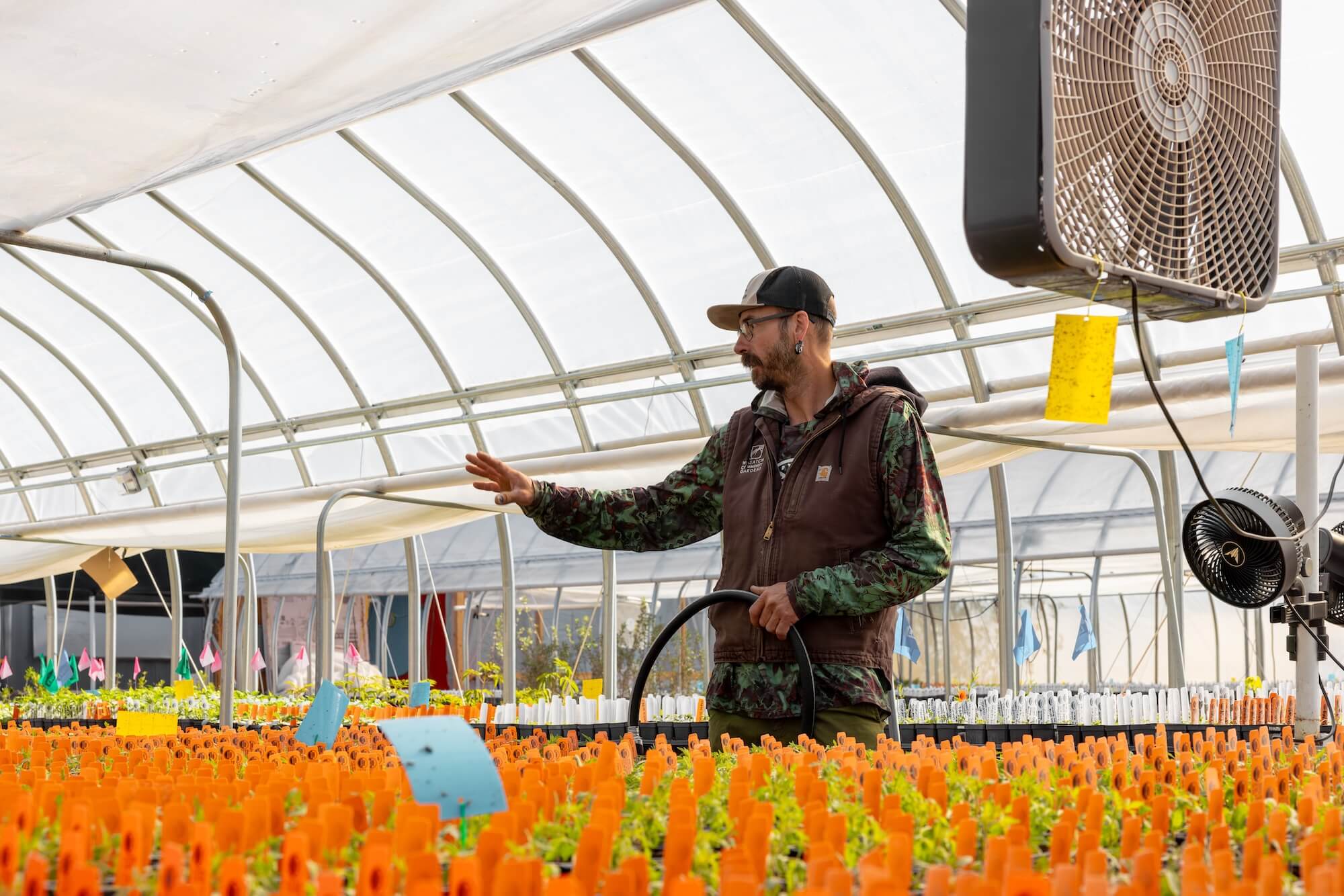
Wasatch Community Gardens City Farm
American manufacturing, end to end
The same intention that goes into building our team goes into sourcing our materials.
Most batteries are made overseas, with more than 70% of the world's supply coming from Asia. Through a strategic investment in Ultion Technologies, a Las Vegas manufacturer, we’re building LFP battery cells sourced entirely from North American materials into our Torus Pulse units. They rank among the first fully domestic LFP cells produced on the continent, moving a critical part of our supply chain onshore.
Just down the road, we source our steel from Schaeffer Steel, a fabricator located only 40 miles from our GigaOne facility. Schaeffer is both our customer and our supplier. They supply the tubular and channel steel we turn into our products, and they have Torus Stations onsite at their facility for the reliable power they need to keep their operations running.
Building this way means we know where our products come from. Today that's more than 50 suppliers within 150 miles of our facilities — for shorter lead times, better security, and more support to our neighboring businesses and local economy.
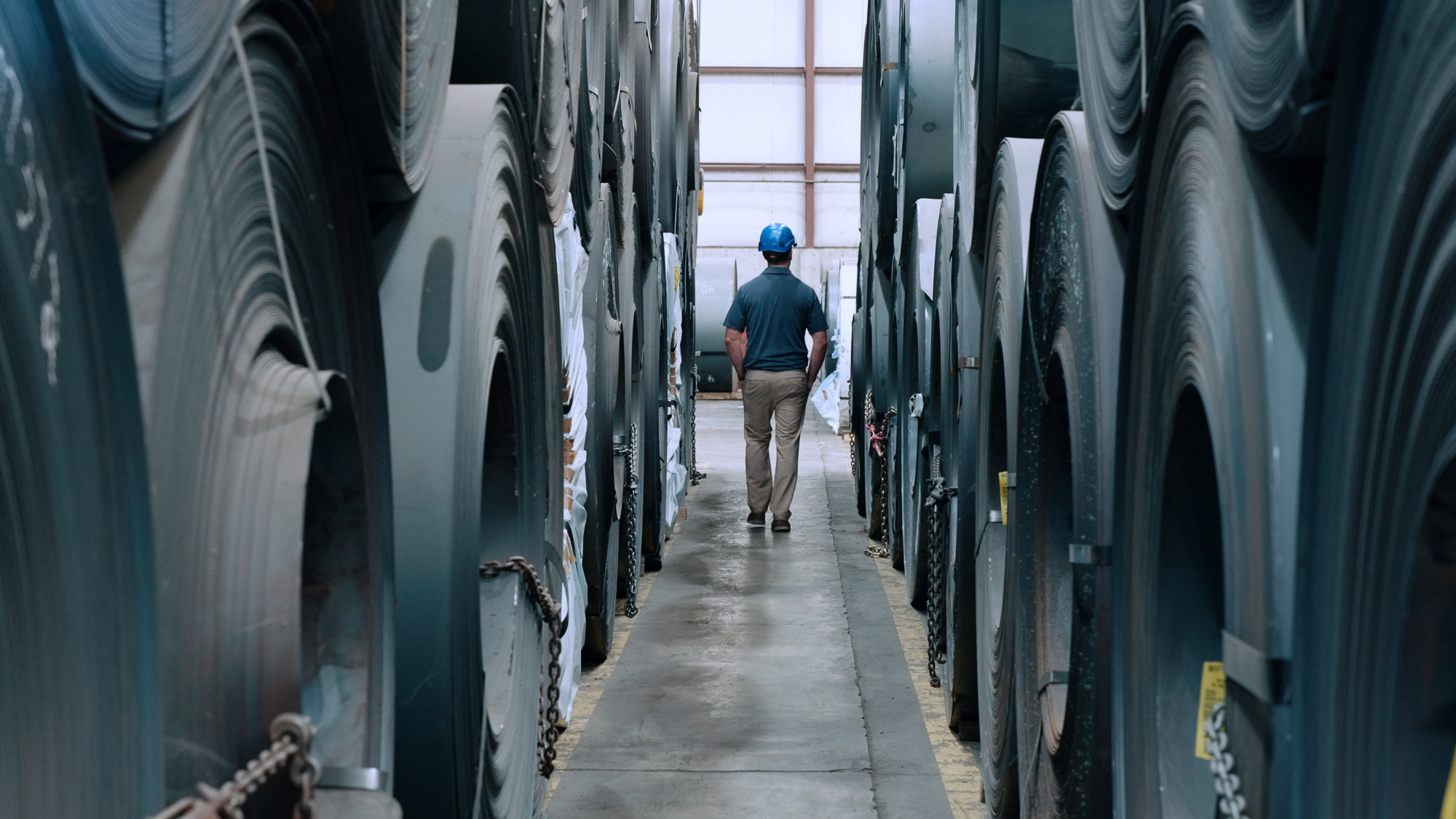
Schaeffer Steel
Looking forward to the next 250 years
This year marks 250 years since the country was founded. We're marking it by continuing to do what we've done since day one: keep building here, hiring here, and putting the work back into the communities we serve.
The next few centuries of innovation depend on whether our energy infrastructure keeps up with where demand is headed. We're building it, so the next breakthrough has the power it needs to happen in the U.S.
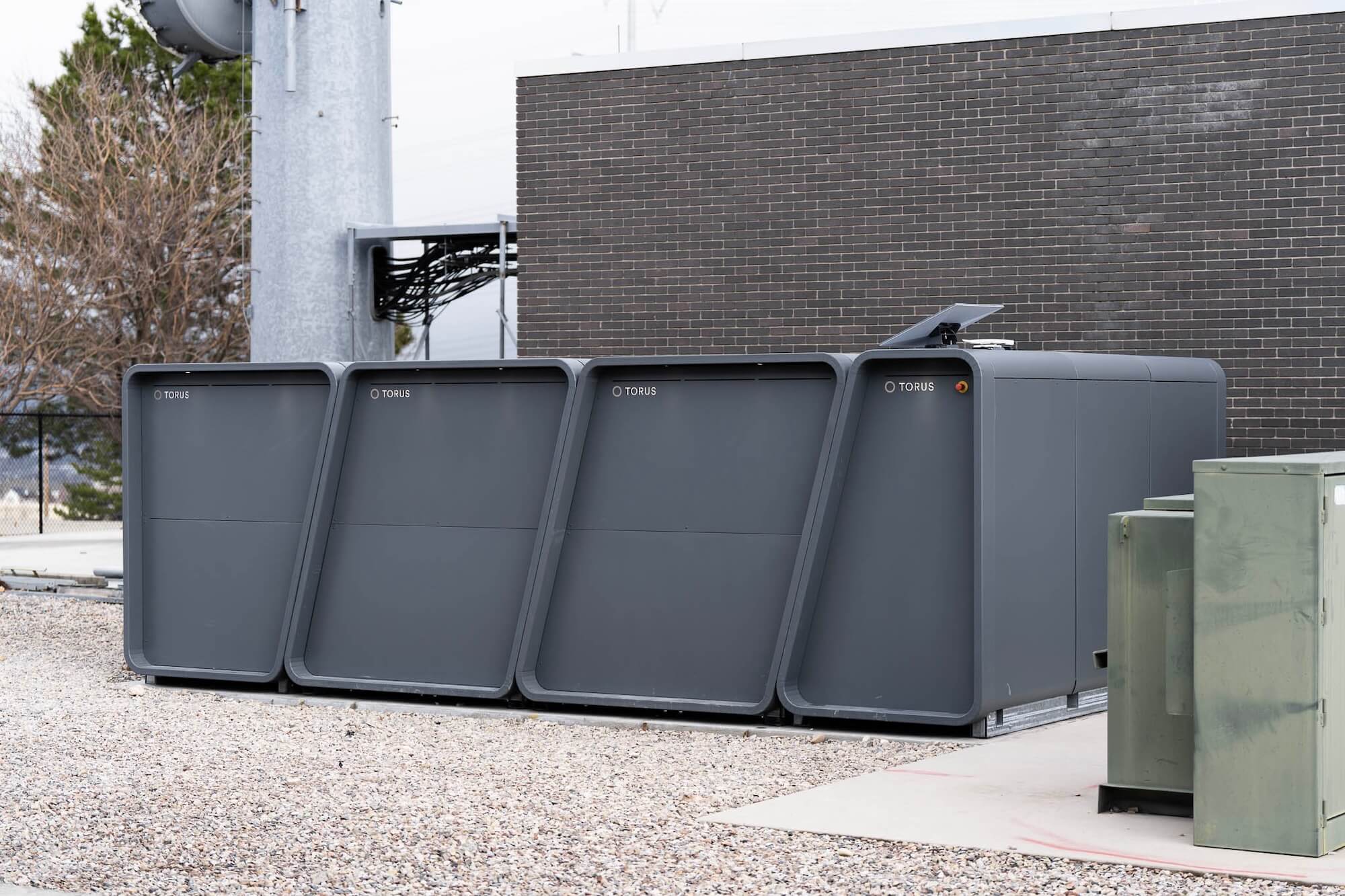
SLVECC Torus Station