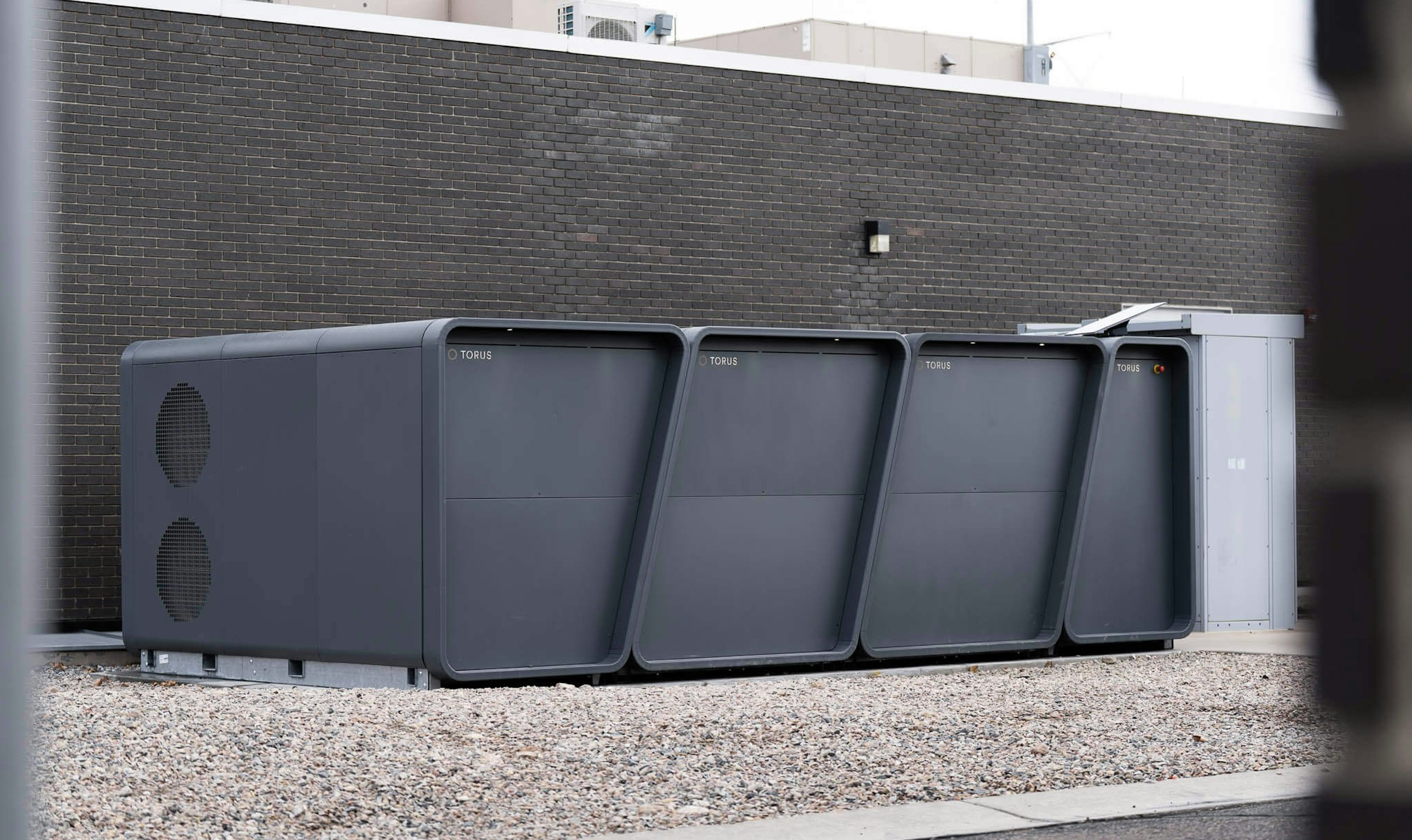
Maintain stability as generators retire
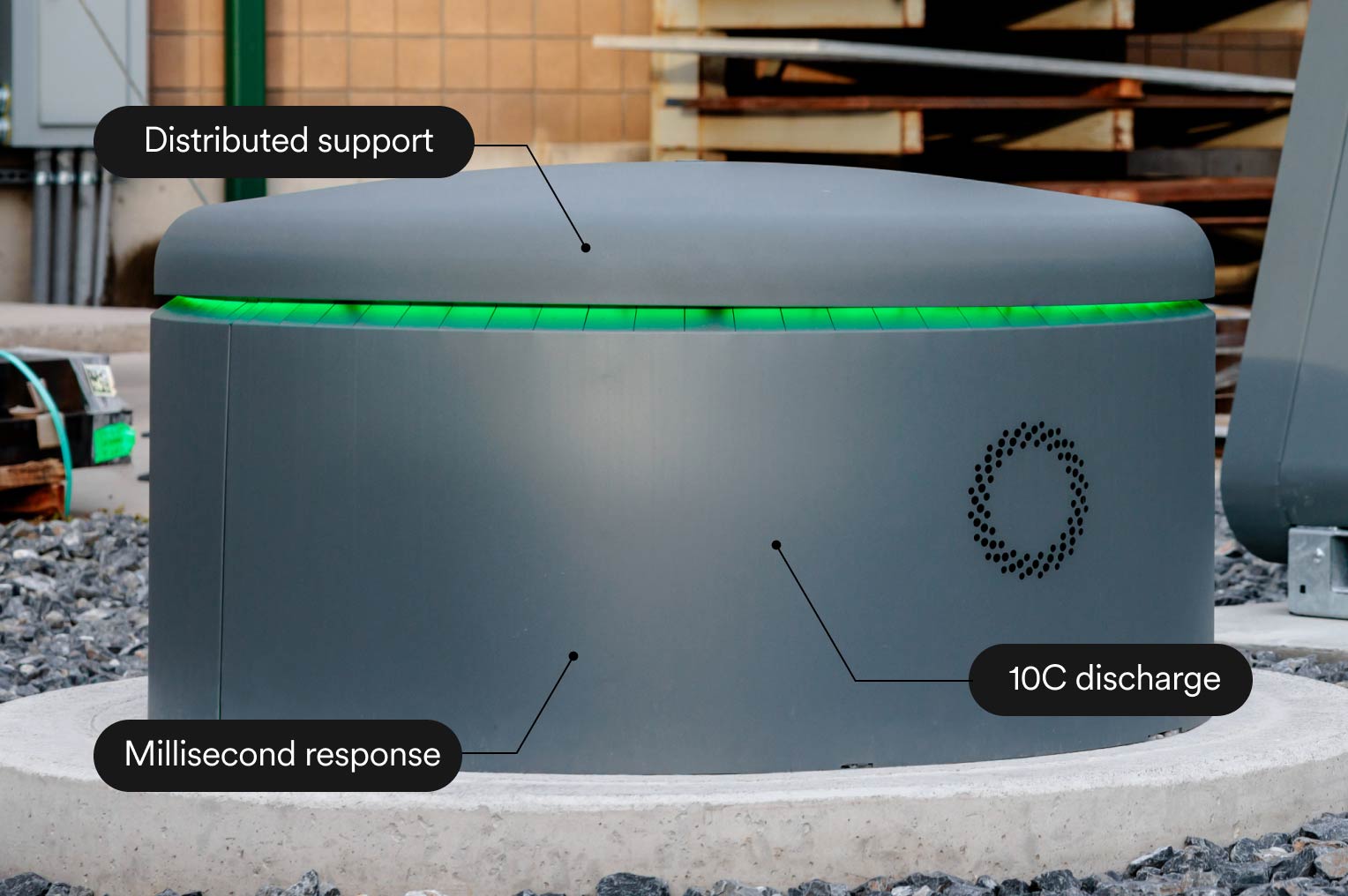
Torus fills that gap left by retiring generation fleets with distributed assets that provide frequency response and voltage support that grows with every new deployment.
1
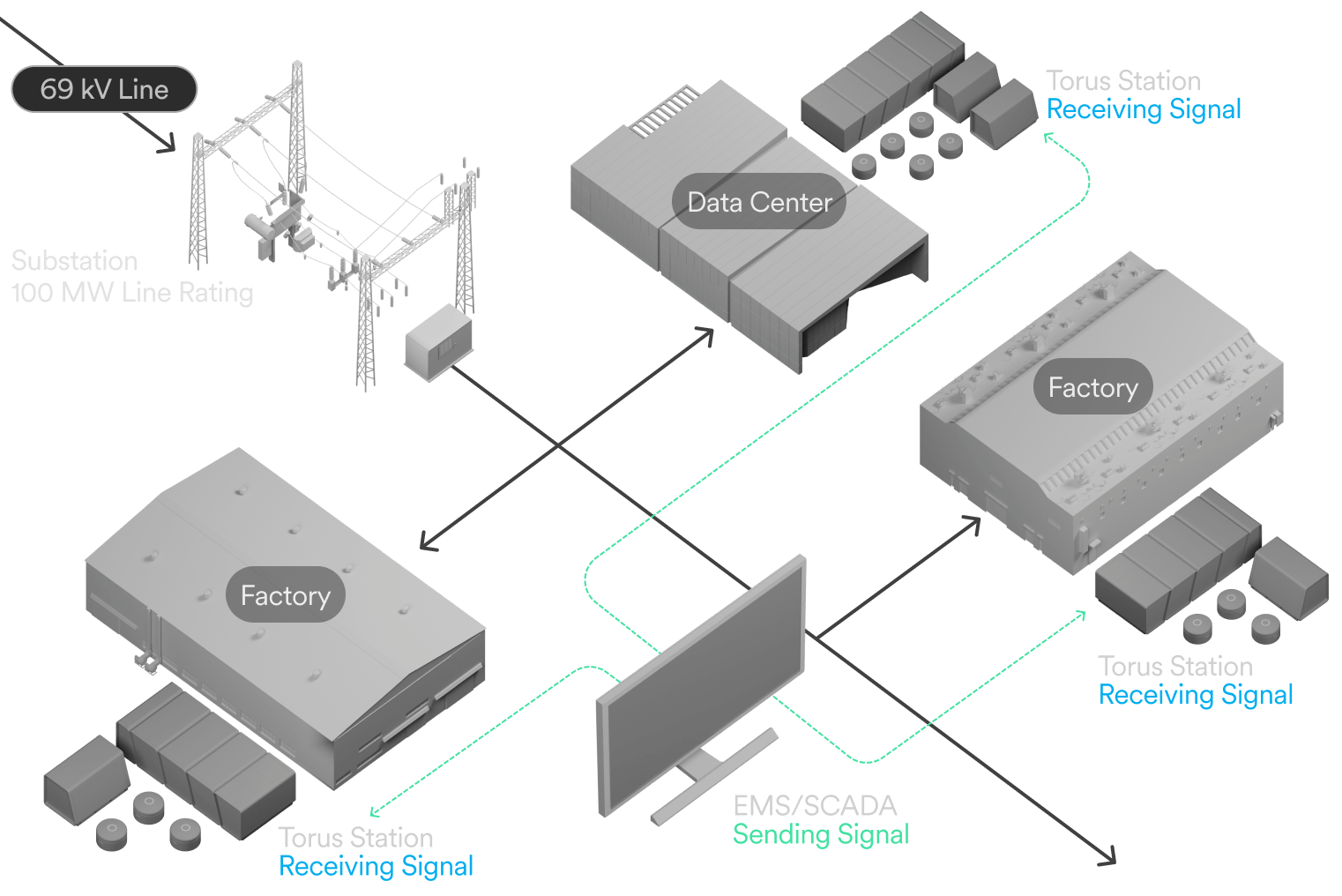
Grid operators configure how frequency and voltage services are dispatched
Torus integrates with existing EMS and SCADA systems for direct dispatch control, or Torus Lasso manages response automatically based on local grid measurements.
2
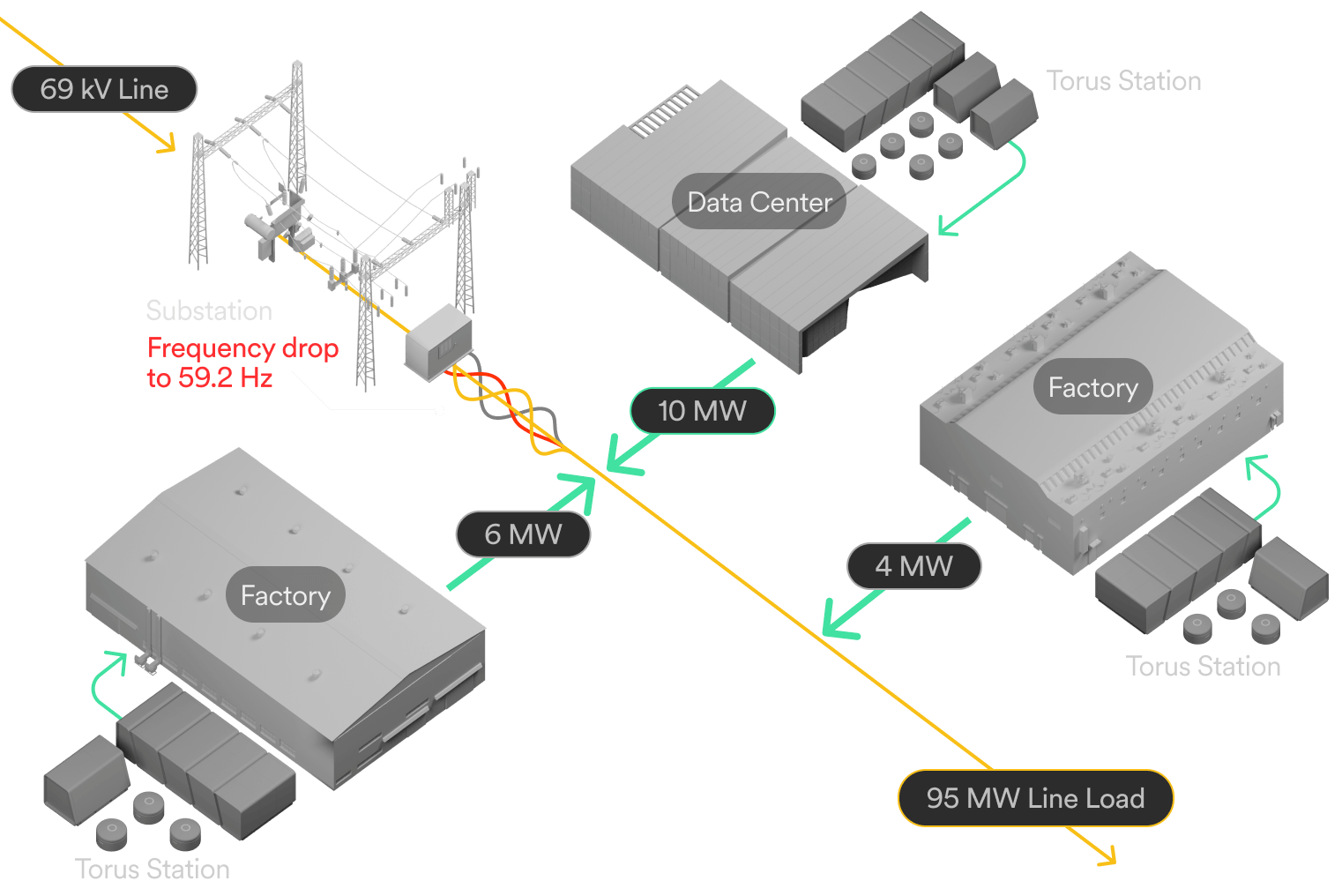
Frequency deviates. Torus responds in milliseconds.
Torus responds to unplanned events, ramping to full discharge in less than 20 seconds after receiving utility dispatch signal.
3
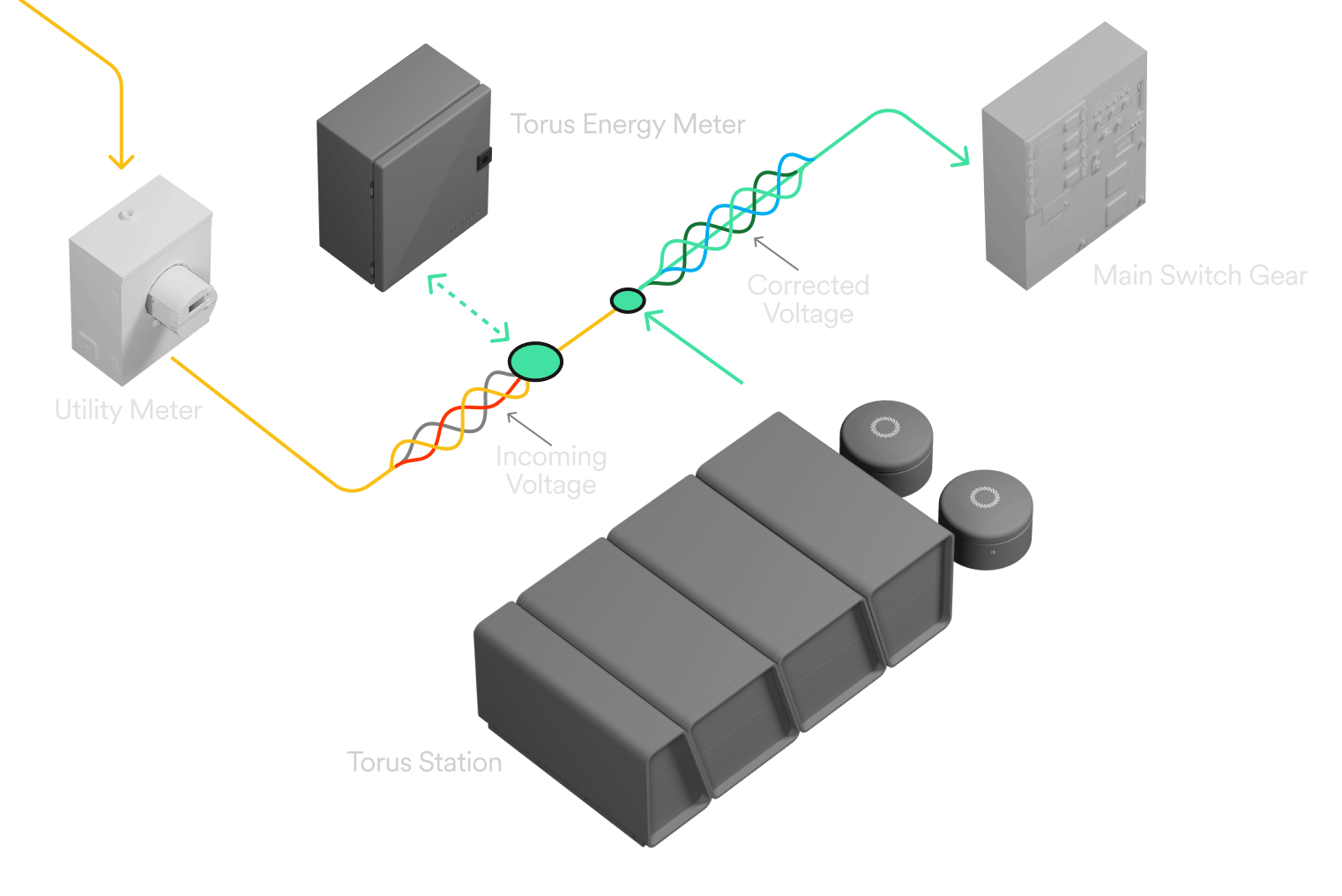
Voltage support maintains power quality at end-of-line feeders
Distribution-edge customers see voltage problems first. Torus absorbs or injects reactive power at the point of connection, where centralized resources struggle to reach.
4
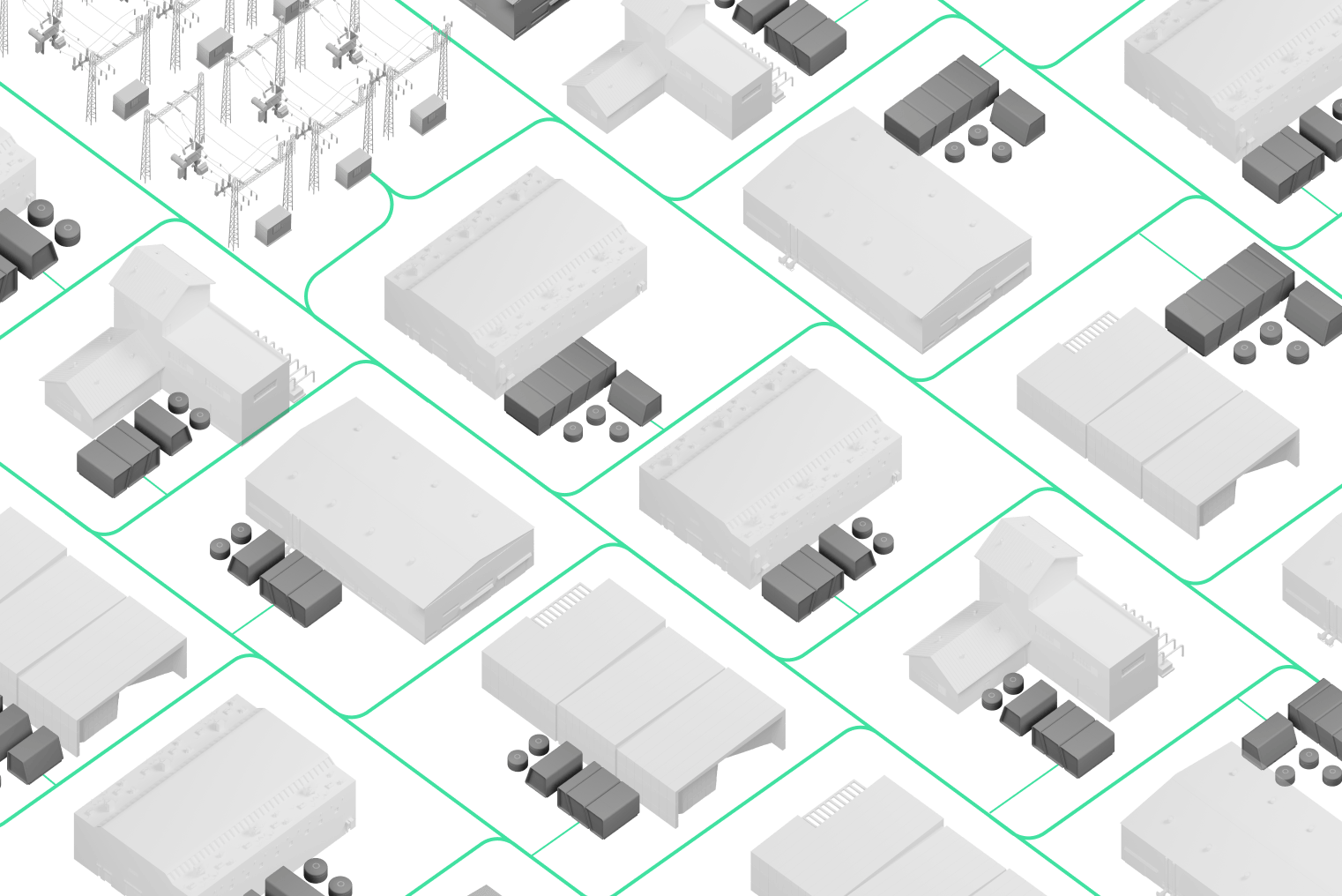
Every new deployment extends stability coverage across the grid
Each installation adds another point of frequency and voltage support. As the fleet grows, targeted response becomes system-wide resilience.