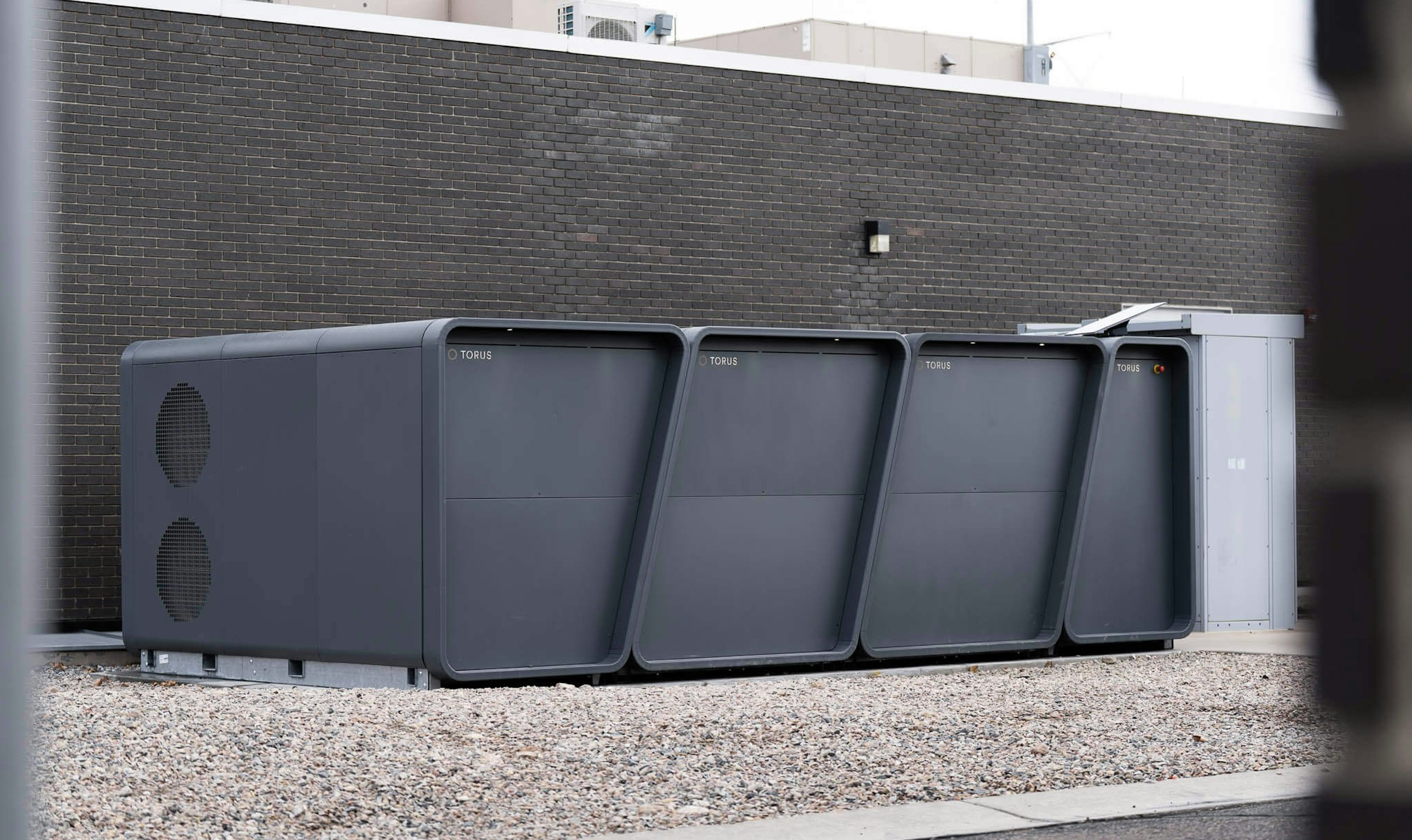
La Diana Market keeps the cold chain running with Torus
Industry
Headquarters
Salt Lake City, UT
Company Size
Local Business
Primary Use Case
Critical load support
La Diana Market is a locally owned grocery store and neighborhood favorite on the west side of Downtown Salt Lake City. But high operational energy costs and the risk of losing perishable inventory during power outages were persistent challenges and the market's owners wanted a solution that aligned with their commitment to sustainability
Challenges
- High electricity costs cut into margins for a family-owned grocery business operating on a tight budget
- Power outages put perishable inventory at risk
- The market needed a sustainable energy solution that could integrate with an existing solar installation and reduce emissions without adding operational complexity
Outcomes
- Torus provides backup power in milliseconds to refrigeration units, minimizing inventory losses during outages
- Torus Lasso optimizes energy usage in real time, reducing peak demand fees and sharing power back to the surrounding neighborhood when the grid is strained
- Torus Overwatch provides 24/7 monitoring and support, so systems run seamlessly without adding operational complexity
Powering community-wide resilience
By storing solar energy, sharing power back to the neighborhood during high-demand periods, and maintaining 100% operational continuity through outages, La Diana is showing what locally owned energy infrastructure can look like at the community level. The model is replicable — for other small businesses that rely on refrigeration, operate on tight margins, and serve neighborhoods that can't afford disruptions. La Diana proves that advanced energy storage isn't reserved for large industrial operations.
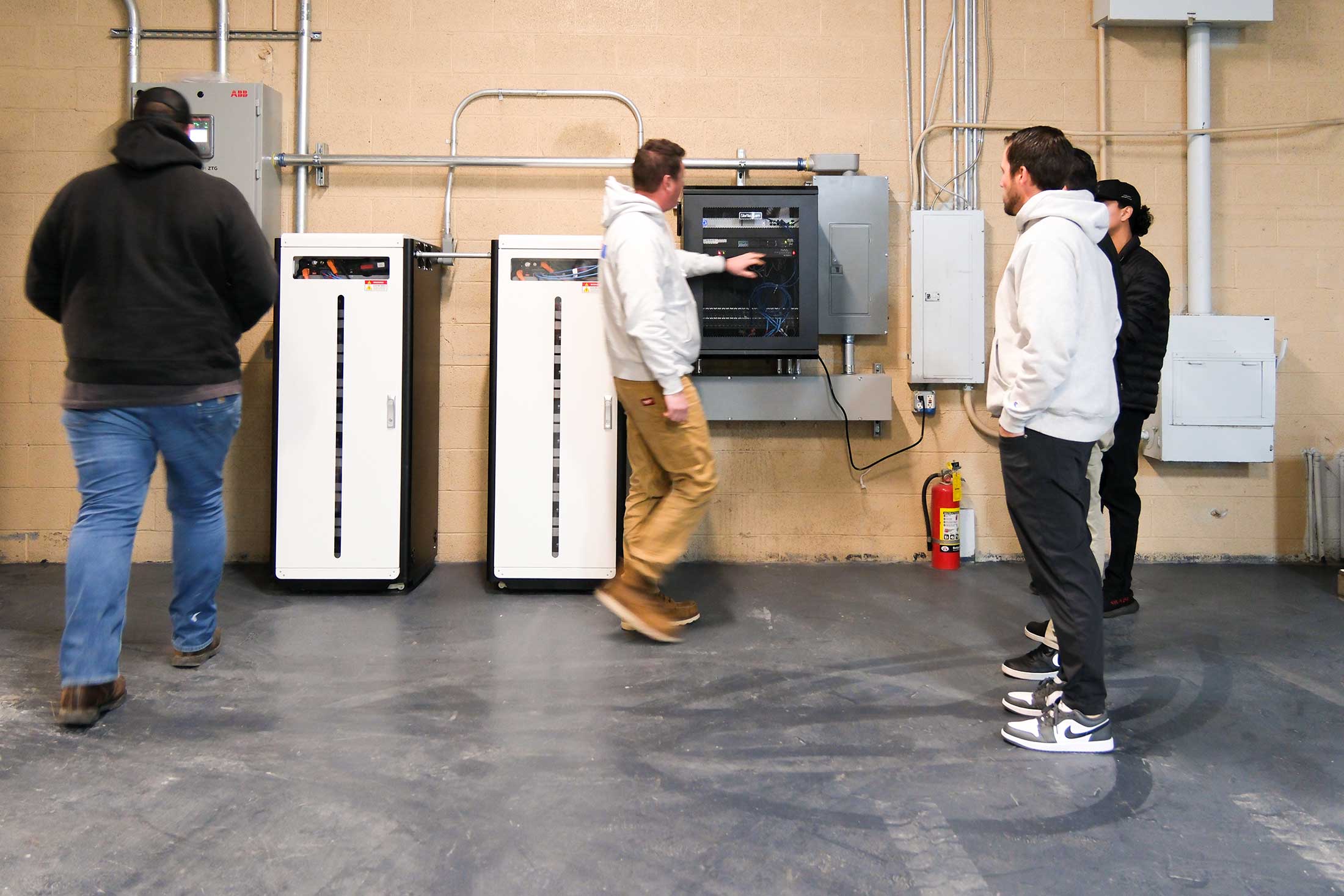
Solar-integrated energy storage for a neighborhood market
The deployment was made possible through Salt Lake City's Solar Powered Communities project, a multi-year initiative led by the city's Sustainability Department and Utah Clean Energy to make solar more accessible to businesses in under-resourced neighborhoods. A grant from the Urban Sustainability Directors Network helped fund the battery storage and solar installation alongside tax credits and rebates.