American Packaging Corporation keeps production running with Torus
01
Industry
Manufacturing — Flexible Packaging & Labels
02
Headquarters
Cedar City, UT
03
Company Size
Large Enterprise
04
Primary Use Case
Peak Shaving
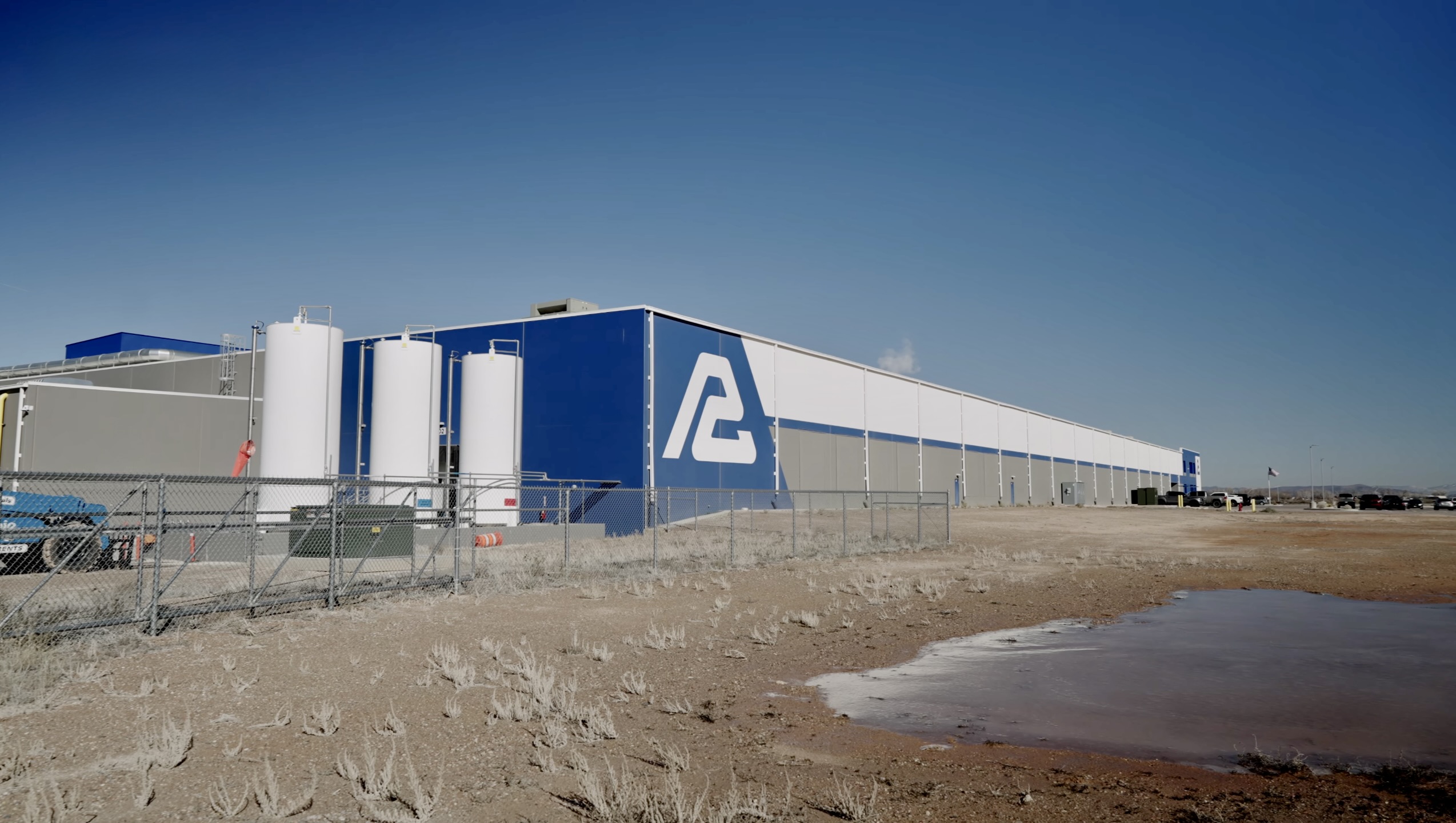
American Packaging Corporation (APC) is a leading manufacturer of flexible packaging and labels, founded in 1902 and family-owned since 1986. The Cedar City lamination facility opened in 2023 to serve West Coast customers with just-in-time production, running laminators, oxidizers, and multi-motor presses — with planned expansion to 24/7 operations. Overlapping power draws from this equipment create steep demand peaks, and brownouts have cost APC tens of thousands of dollars in lost throughput per event. APC partnered with Torus to flatten those peaks, protect production lines from voltage events, and bring energy costs under control.
Challenges
- Printers and laminators drive heavy electrical loads, with oxidizers, chillers, and compressed air systems compounding demand — overlapping power draws create steep load peaks that significantly increase demand charges.
- Brownouts trigger facility-wide shutdowns across presses and laminators, with restarts taking up to three hours of lost output per event.
Outcomes
Stored energy covers demand spikes from production runs and equipment start-ups, reducing peak demand across all connected meters.
Torus corrects voltage events in milliseconds, preventing presses and laminators from shutting down facility-wide.
Scaling across APC’s operations
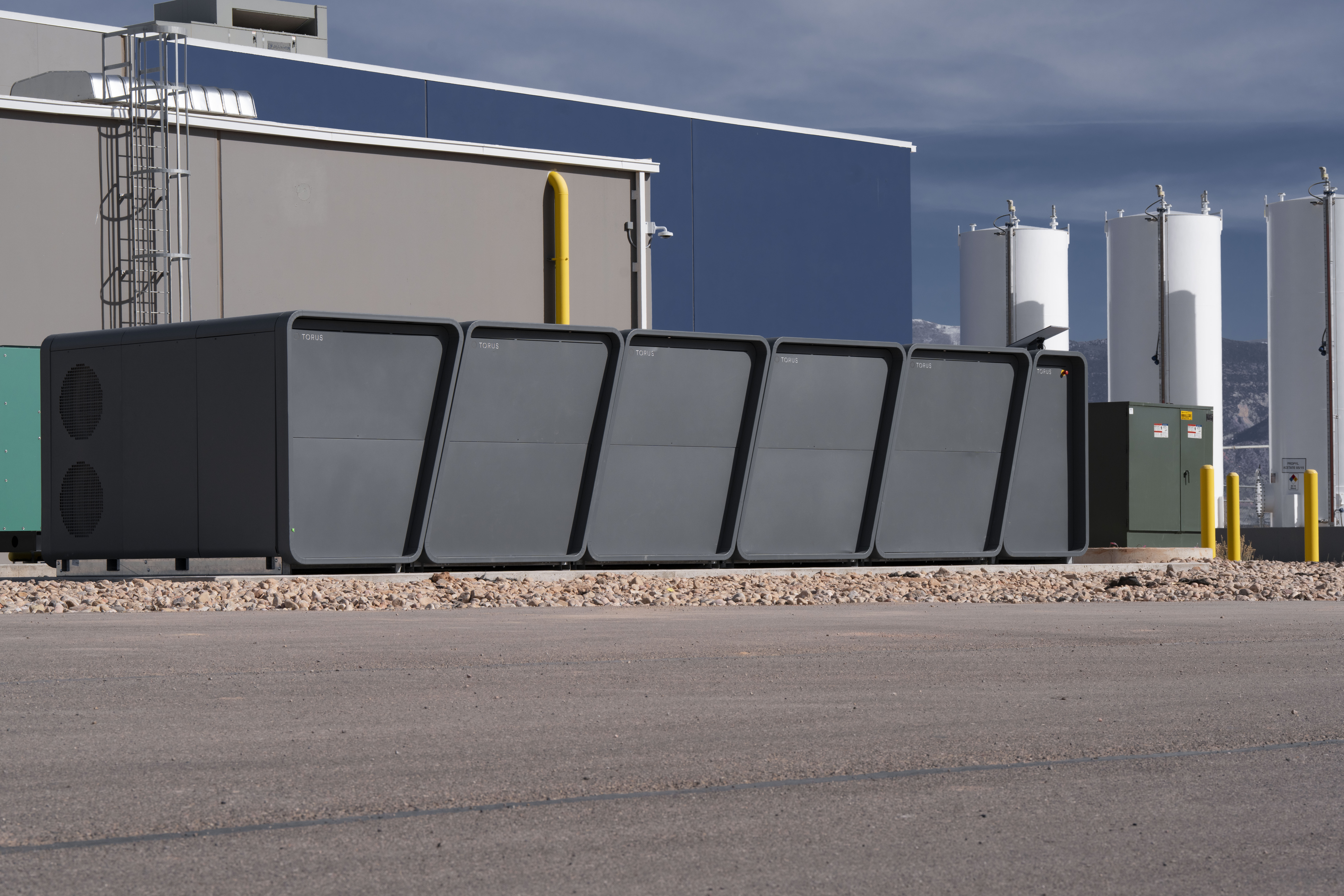
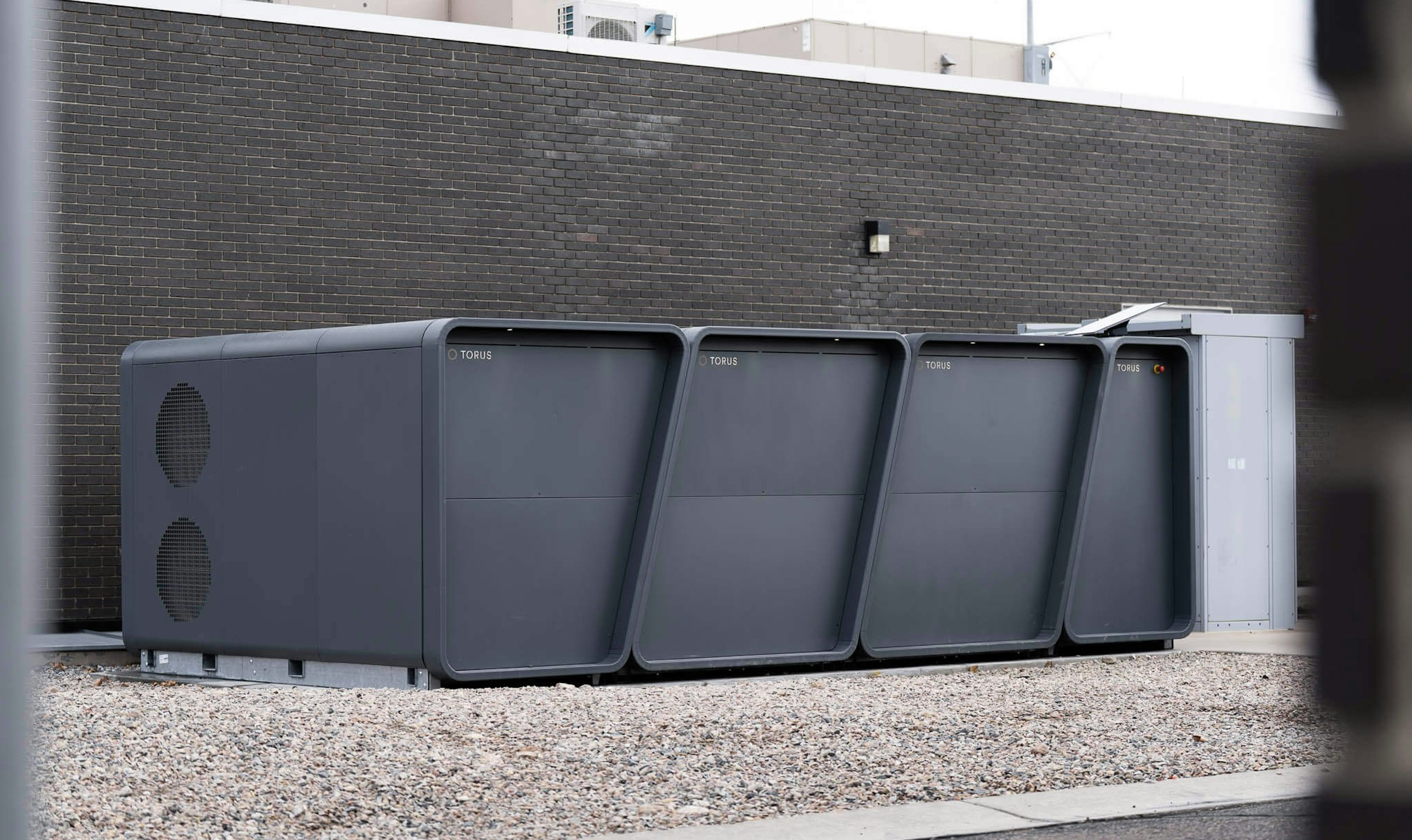
APC's facility is expanding to 24/7 operations. Their Torus system was designed to accommodate that growth, with the option to add capacity and demand management as new production lines come online.
"We look forward to peak-leveling with the Torus Station. We want to use the locally-produced renewables during off-peak hours to charge the system and run it during peak hours. Also, the back-up power capability really attracted us to this system."
— Travis Perry, Senior Corporate Engineer, American Packaging Company